


Frequently Asked Questions
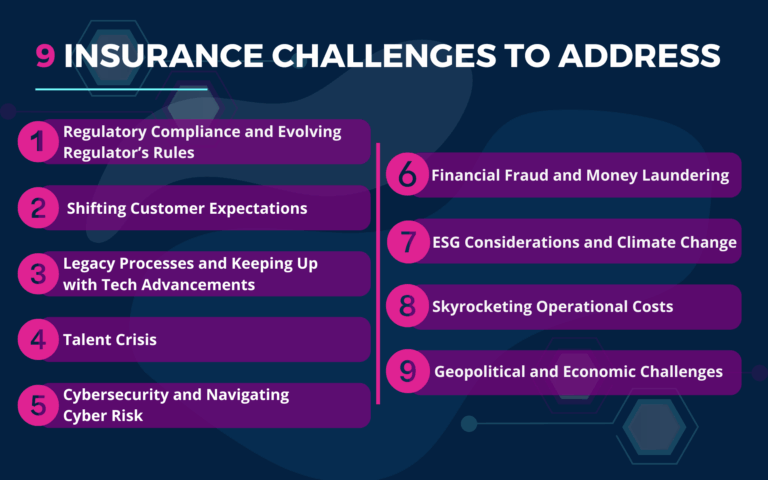
Regulatory burden is the most consistently cited pressure, alongside legacy systems, an ageing workforce, cyber exposure and financial crime risk. REG’s research found that 69% of general insurance compliance professionals believe their regulatory burden has grown in recent years. Most firms face several of these pressures at once, not one in isolation.
UK firms carry the FCA’s Consumer Duty obligations on top of the non-financial misconduct rules taking effect on 1 September 2026. Research by Biba and London Economics found that smaller UK firms face regulatory costs roughly double those in comparable jurisdictions. The burden falls hardest on the brokers and MGAs with the least compliance resource to absorb it.
Manual processes introduce error and delay at exactly the points that matter most to your customers. Around 11% of claims procedures are affected by human error or inefficiency. REG’s research found that 51% of financial services firms and 41% of general insurance firms still manage regulatory and compliance risk in spreadsheets.
Insurers depend heavily on third parties, which makes consistent due diligence across every counterparty difficult to maintain. An estimated 80 to 100 billion US dollars is laundered through the insurance industry every year, mostly through life products. The FCA fined around 20 firms a combined £79 million in 2025.
Start by replacing the manual processes that create the most operational risk. Centralising counterparty due diligence, TOBA issuance and compliance records into REG Network removes duplicated effort and produces audit-ready evidence as a by-product. That addresses regulatory burden, cost and financial crime exposure together, not separately.